Key Takeaways
- A cheap quote with a six-month delay ends up costing more than it saved you in the first place.
- In-house design teams catch problems early. Outsourced ones usually catch them once the damage is already sitting on-site.
- Galvanized coatings and the right steel grade cost more now, but they save you from major repairs within the first decade.
Most buyers do the same thing. Get three quotes, pick the cheapest, sign. Six months in, a good chunk of them wish they hadn't.
The quote doesn't really tell you what you're buying. Steel thickness, design load, who's actually handling fabrication, none of that shows up on a one-page proposal. But it's exactly what decides whether your building holds up for thirty years or starts falling apart in year six. That's why the track record of pre engineered building manufacturers in india matters more than whatever number sits at the bottom of a quote.
Start With the Design Team, Not the Price Sheet
A solid peb building manufacturer keeps structural design in-house. Not outsourced. When drawings go to a third party, every small revision adds days. And revisions happen a lot in PEB work, site conditions shift, loads get recalculated, wind codes sometimes get flagged later than they should have been.
In-house engineers catch this stuff before it becomes a delay. Outsourced teams? Usually after.
Fabrication Quality Is Where Corners Get Cut
Most buyers skip this part entirely. Go see the fabrication plant if you can. A controlled environment means rafters, purlins, anchor bolts, all built to precise tolerance, not eyeballed once they hit the site. Field corrections cost money. They also weaken the structure in ways you won't notice for years.
Ask what steel grade they're using. Ask about galvanization thickness. If they hesitate or get vague, that tells you everything.
Span Capability Isn't Universal
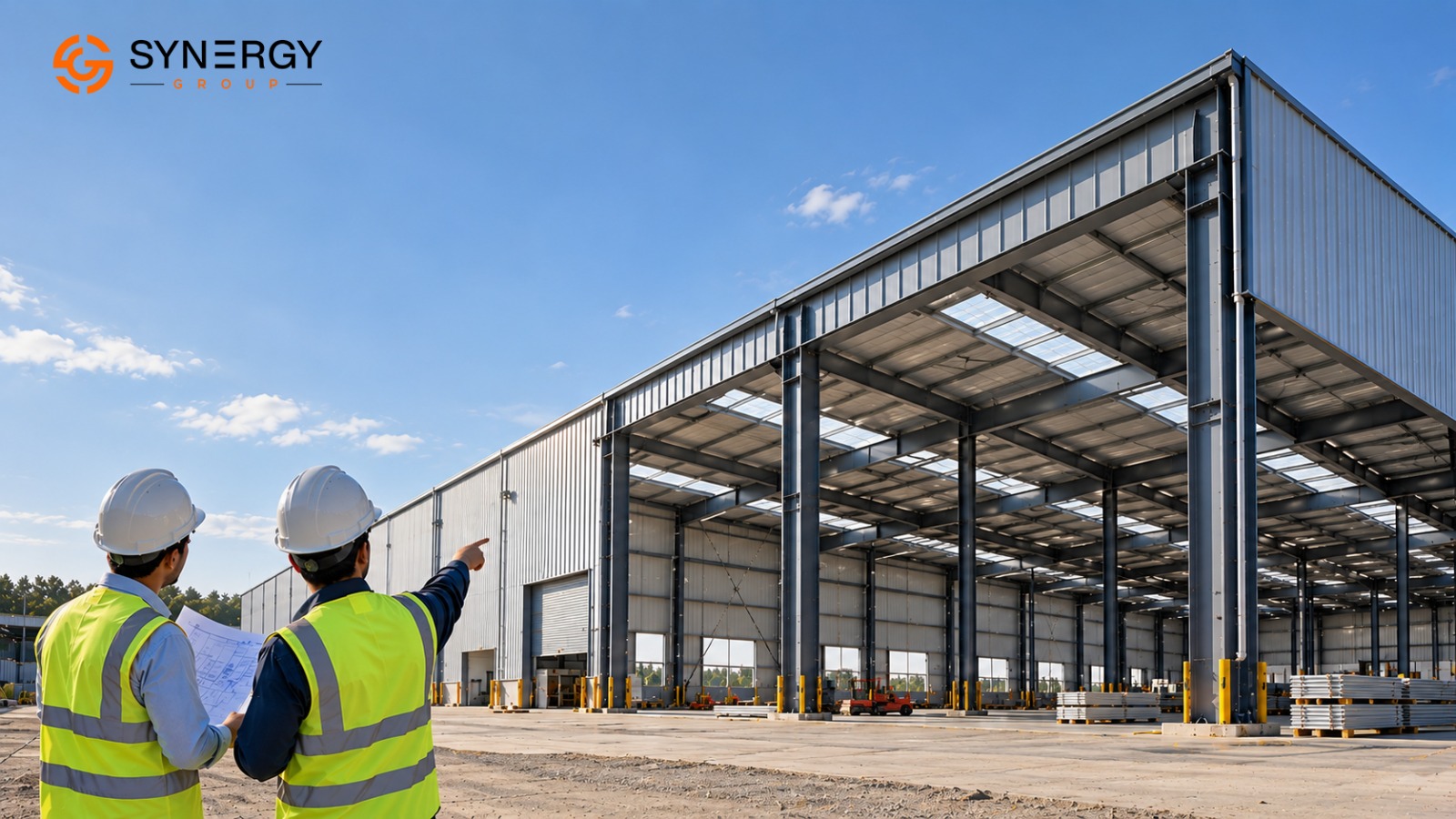
Not every pre engineered building manufacturers in india can give you wide clear spans without internal columns getting in the way. Need open floor space for automated handling or high-bay racking? Some manufacturers haven't actually built at that scale, they'll still say yes though, because turning down work is bad for business. Their project history matters more than anything they tell you in a meeting.
Timeline Promises Need a Reality Check
Everyone promises fast delivery. Hardly anyone can back it up. Ask for three completed projects close to your size, then actually call those clients. Fifteen minutes on the phone tells you more than a brochure ever will.
Most delays in PEB projects don't come from the steel. They come from design, fabrication, and site erection not talking to each other properly. A good peb building manufacturer owns that whole chain instead of treating it like three separate jobs.
What Happens After the Contract Matters Most
This is where a lot of manufacturers vanish. Design's delivered, steel's shipped, and suddenly nobody's answering when the erection crew hits a snag on-site.
The ones worth hiring stay in it till the end. They send someone to site when something looks off. The sale isn't the finish line for them, it's the start.
The Real Cost Isn't the Upfront Number
A structure that needs re-roofing by year eight was never actually cheap. Galvanized coatings, proper insulation, steel built for your actual wind and seismic zone, all of it costs more today and saves a lot more over time.
These buildings are supposed to last decades, not get swapped out every ten years. Pick your manufacturer with that in mind, and it'll matter more than any number on a first quote.
“Scale helps, but only if it's disciplined. We'd rather build something designed to last decades than chase temporary expansion.”